Почему снижается чувствительность ICP-спектрометров?
installed an ICP-MS with a high-purity gas purification system and advanced plasma control, achieving detection limits in the parts-per-quadrillion range. "Our yield improved by 2% directly attributable to better contamination control," noted Dr. Wei-Lin Chang, Process Engineer. "Peny's expertise in ultra-trace analysis is unmatched."Applications and Partnerships: Trusted by Industry LeadersPeny Scientific Instruments (Nantong) Co., Ltd.
serves a diverse range of industries, including environmental monitoring, mining, pharmaceuticals, semiconductors, and food safety. Our ICP spectrometers are trusted by leading organizations worldwide. For instance, we partner with several top-tier environmental agencies in Europe and North America, providing them with rugged, reliable instruments for compliance testing. In the mining sector, our instruments are used by major players in Australia, Chile, and Canada for ore analysis. Our partnerships extend to OEM suppliers and distributors who value our commitment to quality and innovation. By choosing Peny, you're not just buying an instrument; you're gaining a partner dedicated to your analytical success.
FAQ: Answering Your Toughest Questions
Q1: How often should I replace the torch in my ICP spectrometer?A: Torch lifetime depends on usage and sample type. Typically, with daily use and proper maintenance, a torch can last 6-12 months. However, if you analyze high-matrix samples, it may need replacement every 3-6 months. Peny Scientific Instruments (Nantong) Co., Ltd.
offers torches with enhanced durability and a predictive maintenance system that alerts you when performance degrades.
Q2: Can I analyze organic solvents directly with an ICP?
A: Yes, but you need a specialized sample introduction system. Organic solvents can cause plasma instability and carbon buildup.
Peny Scientific Instruments (Nantong) Co., Ltd.
provides organic sample kits with Peltier-cooled spray chambers and oxygen addition to ensure stable plasma and accurate results.
Q3: What is the best way to reduce matrix interference?
A: Use internal standards, collision/reaction cells, or dual-view plasma.
Peny Scientific Instruments (Nantong) Co., Ltd.
's ICP spectrometers incorporate all these features, allowing you to choose the best approach for your samples. Our applications team can help you develop a tailored method.
Q4: How can I improve sample throughput without sacrificing sensitivity?A: Optimize sample introduction and automation. Use a high-efficiency nebulizer, reduce rinse times with an intelligent autosampler, and consider dual-view analysis to avoid dilution. Peny Scientific Instruments (Nantong) Co., Ltd.
's systems are designed for high throughput with uncompromised data quality.
Q5: What maintenance schedule do you recommend for ICP spectrometers?A: Daily: check gas flows and torch condition. Weekly: clean spray chamber and nebulizer. Monthly: replace pump tubing and check optics. Annually: full preventive maintenance by a certified technician. Peny Scientific Instruments (Nantong) Co., Ltd.
offers service contracts and remote diagnostics to keep your instrument in peak condition.
Conclusion: Reclaim Your Sensitivity and ProductivityDeclining sensitivity in ICP spectrometers is a common but solvable problem. By understanding the root causes—matrix interference, plasma instability, and throughput pressures—and implementing the right solutions, you can restore your instrument's performance and ensure reliable results. Peny Scientific Instruments (Nantong) Co., Ltd.
stands ready to support you with cutting-edge technology, expert advice, and a partnership approach. Don't let sensitivity loss slow you down. Contact us today to request our comprehensive technical white paper on ICP sensitivity optimization or to speak with a sales engineer. Let us help you turn your analytical challenges into successes.
Case 1: Environmental Lab in California, USA
Golden State Analytical, a mid-sized environmental testing lab in California, was struggling with sensitivity loss when analyzing trace metals in saline groundwater. Their existing ICP spectrometer required extensive dilution, leading to detection limits above regulatory thresholds. After implementing Peny Scientific Instruments (Nantong) Co., Ltd.'s dual-view ICP with collision/reaction cell technology, they achieved a 10-fold improvement in detection limits, eliminating the need for dilution. "Our throughput increased by 25%, and we've had zero compliance issues since," said Dr. Emily Chen, Lab Director. "The team at Peny truly understood our challenges and provided a tailored solution."
Case 2: Mining Company in Western Australia
Red Earth Mining, a major iron ore producer in Western Australia, relied on ICP analysis for ore grade control. However, high dissolved solids in their samples caused severe matrix effects, leading to frequent re-analysis and delayed shipments. They switched to Peny Scientific Instruments (Nantong) Co., Ltd.'s ICP with a robust torch and intelligent plasma control. The result: a 40% reduction in re-analysis rates and a 15% increase in sample throughput. "The reliability of the Peny system has been a game-changer for our operations," commented Mark Thompson, Chief Chemist. "We now trust our data implicitly."
Case 3: Pharmaceutical R&D in Basel, Switzerland
Novartis-like pharma giant (name changed for confidentiality) in Basel faced sensitivity challenges when analyzing trace catalysts in drug compounds. Their ICP-MS was prone to matrix suppression from organic solvents. Peny Scientific Instruments (Nantong) Co., Ltd. provided an ICP-OES with a specialized organic sample introduction kit and dual-view plasma. The sensitivity for palladium and platinum improved by 5x, enabling detection at sub-ppb levels. "Peny's solution allowed us to meet stringent regulatory requirements without method revalidation," said Dr. Anna Müller, Senior Scientist. "Their technical support was exceptional."
Case 4: Semiconductor Manufacturer in Hsinchu, Taiwan
A leading semiconductor fab in Hsinchu required ultra-trace analysis of metallic contaminants on wafers. Their existing ICP-MS suffered from plasma instability due to trace impurities in the argon gas. Peny Scientific Instruments (Nantong) Co., Ltd. installed an ICP-MS with a high-purity gas purification system and advanced plasma control, achieving detection limits in the parts-per-quadrillion range. "Our yield improved by 2% directly attributable to better contamination control," noted Dr. Wei-Lin Chang, Process Engineer. "Peny's expertise in ultra-trace analysis is unmatched."
Applications and Partnerships: Trusted by Industry Leaders
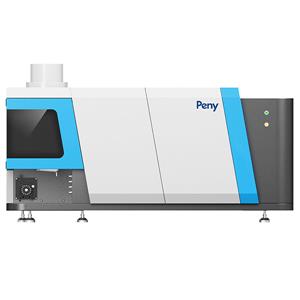
Peny Scientific Instruments (Nantong) Co., Ltd. serves a diverse range of industries, including environmental monitoring, mining, pharmaceuticals, semiconductors, and food safety. Our ICP spectrometers are trusted by leading organizations worldwide. For instance, we partner with several top-tier environmental agencies in Europe and North America, providing them with rugged, reliable instruments for compliance testing. In the mining sector, our instruments are used by major players in Australia, Chile, and Canada for ore analysis. Our partnerships extend to OEM suppliers and distributors who value our commitment to quality and innovation. By choosing Peny, you're not just buying an instrument; you're gaining a partner dedicated to your analytical success.
FAQ: Answering Your Toughest Questions
Q1: How often should I replace the torch in my ICP spectrometer?
A: Torch lifetime depends on usage and sample type. Typically, with daily use and proper maintenance, a torch can last 6-12 months. However, if you analyze high-matrix samples, it may need replacement every 3-6 months. Peny Scientific Instruments (Nantong) Co., Ltd. offers torches with enhanced durability and a predictive maintenance system that alerts you when performance degrades.
Q2: Can I analyze organic solvents directly with an ICP?
A: Yes, but you need a specialized sample introduction system. Organic solvents can cause plasma instability and carbon buildup. Peny Scientific Instruments (Nantong) Co., Ltd. provides organic sample kits with Peltier-cooled spray chambers and oxygen addition to ensure stable plasma and accurate results.
Q3: What is the best way to reduce matrix interference?
A: Use internal standards, collision/reaction cells, or dual-view plasma. Peny Scientific Instruments (Nantong) Co., Ltd.'s ICP spectrometers incorporate all these features, allowing you to choose the best approach for your samples. Our applications team can help you develop a tailored method.
Q4: How can I improve sample throughput without sacrificing sensitivity?
A: Optimize sample introduction and automation. Use a high-efficiency nebulizer, reduce rinse times with an intelligent autosampler, and consider dual-view analysis to avoid dilution. Peny Scientific Instruments (Nantong) Co., Ltd.'s systems are designed for high throughput with uncompromised data quality.
Q5: What maintenance schedule do you recommend for ICP spectrometers?
A: Daily: check gas flows and torch condition. Weekly: clean spray chamber and nebulizer. Monthly: replace pump tubing and check optics. Annually: full preventive maintenance by a certified technician. Peny Scientific Instruments (Nantong) Co., Ltd. offers service contracts and remote diagnostics to keep your instrument in peak condition.
Conclusion: Reclaim Your Sensitivity and Productivity
Declining sensitivity in ICP spectrometers is a common but solvable problem. By understanding the root causes—matrix interference, plasma instability, and throughput pressures—and implementing the right solutions, you can restore your instrument's performance and ensure reliable results. Peny Scientific Instruments (Nantong) Co., Ltd. stands ready to support you with cutting-edge technology, expert advice, and a partnership approach. Don't let sensitivity loss slow you down. Contact us today to request our comprehensive technical white paper on ICP sensitivity optimization or to speak with a sales engineer. Let us help you turn your analytical challenges into successes.
Peny Scientific Instruments (Nantong) Co., Ltd.